Modern living calls for spaces that do more, gracefully. Whether you are balancing work-from-home life, hosting overnight guests, or simply trying to make better use of every square foot, multi-functional rooms have become less of a trend and more of a necessity. The goal here is not to squeeze in more, but instead, to design with intention!
Define the Room’s Priorities
Before selecting a single piece of furniture, get clear on what the space needs to accomplish. Most successful multi-functional rooms serve two primary purposes, and sometimes three (if we are feeling strategically spicy).
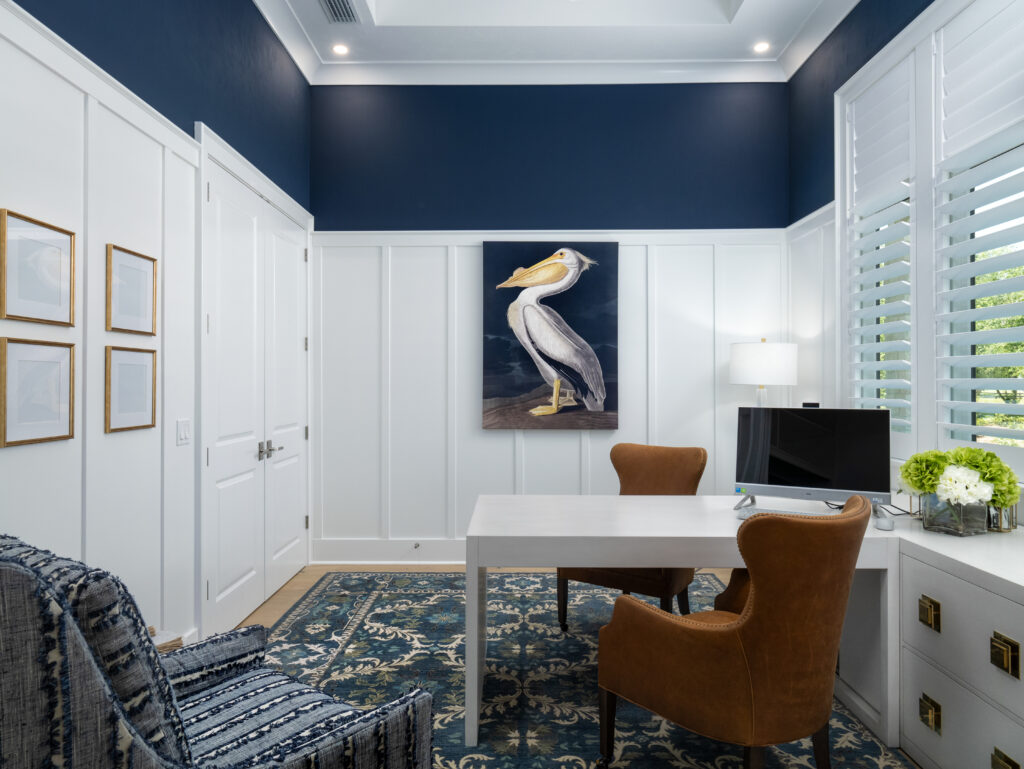
For example:
- Home office + guest room
- Living room + entertaining space
- Playroom + secondary lounge
Anything beyond that, and the room starts to feel disjointed. Prioritizing function upfront ensures the design feels intentional, not overcrowded.
Create Subtle Zones Within the Space
A well-designed multi-functional room should feel organized without relying on walls. Zoning allows each function to have its own identity while still maintaining flow.
Simple ways to establish zones include:
- Area rugs to define seating or workspaces
- Lighting shifts, such as ambient versus task lighting
- Furniture placement, like a sofa or console creating natural separation
These elements guide how the room is used without interrupting the overall aesthetic.

Choose Furniture That Does More
In a multi-functional space, every piece needs to earn its place. This is where thoughtful furniture selection makes all the difference.
Look for pieces that offer flexibility:
- Sleeper sofas with tailored, high-end upholstery
- Desks that double as consoles or vanities
- Storage ottomans that conceal everyday essentials
- Expandable tables for entertaining when needed
In projects throughout Gainesville, Florida and The Woodlands, Texas, I always remind clients that if a piece only serves one purpose, it needs to be exceptional. If not, it’s potentially taking up valuable space.
Incorporate Elevated Storage Solutions
Functionality falls apart quickly without proper storage. The key? Keep the room adaptable without letting it feel cluttered. I promise, it can be done!
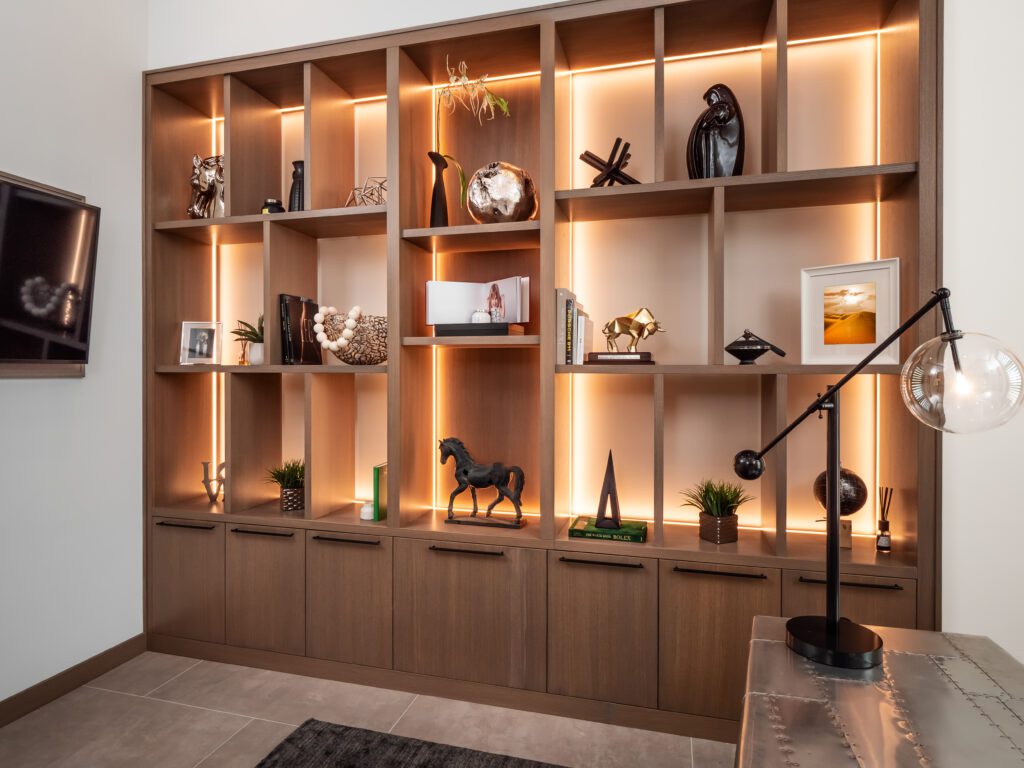
Prioritize:
- Built-ins or custom cabinetry
- Closed storage pieces to hide visual noise
- Stylish baskets or containers that complement the design (You know I love a container!)
The goal is to make transitions between uses seamless, without leaving evidence behind.
Maintain a Cohesive Design Language
One of the biggest mistakes in multi-functional rooms is treating each area like a separate design moment. When you do that, the space feels haphazard and disjointed. Even if it serves different purposes, it should still feel unified.
Keep consistency through:
- A cohesive color palette
- Coordinated materials and finishes
- Complementary textures and fabrics
When everything works together visually, the room feels elevated instead of overworked.

Design for Effortless Transitions
A well-planned multi-functional room does not require constant adjustment. It should shift naturally from one use to another without major rearranging.
That is where thoughtful space planning becomes invaluable. When every detail is considered, from layout to lighting, the room supports your lifestyle without demanding extra effort.The result is a space that feels polished, flexible, and entirely intentional. Because in today’s homes, true luxury is not about having more rooms, but about making every room work beautifully.
